
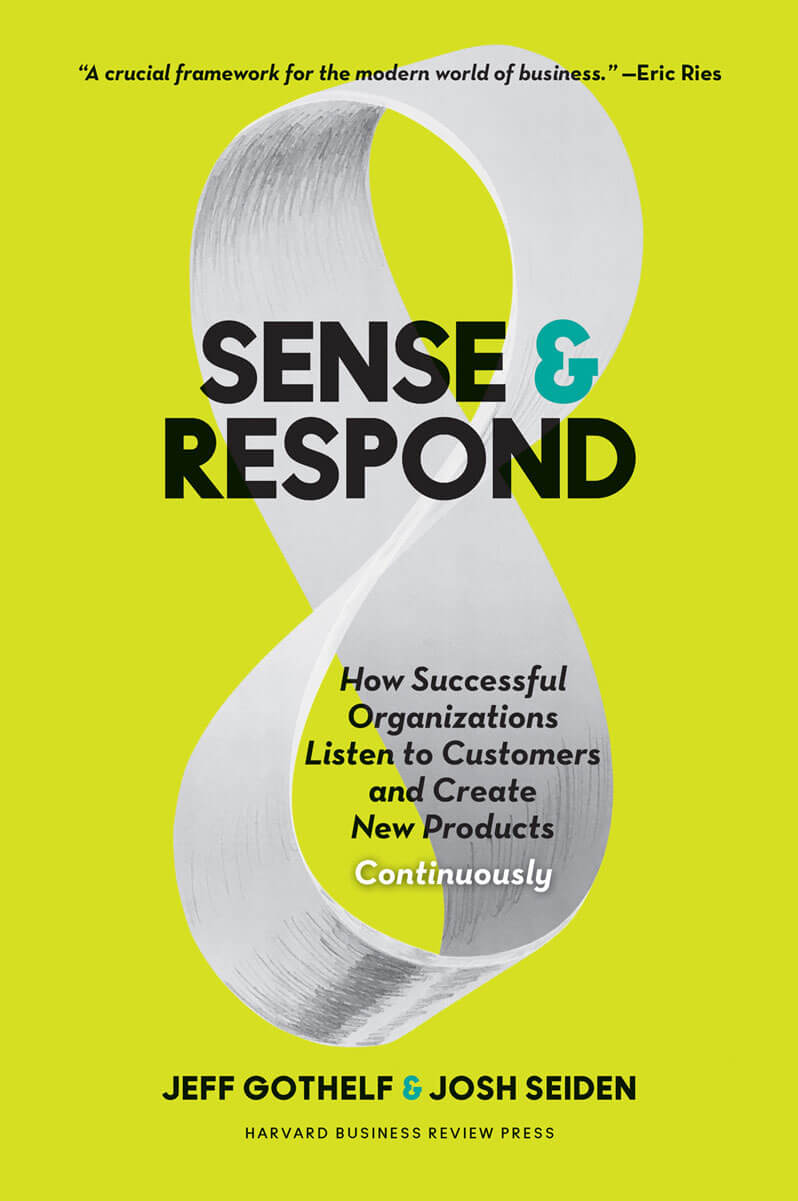
One of my favorite case studies from Sense & Respond was about an automotive marketplace in the UK that quadrupled their pace of delivery from once a year to once a quarter. Statistically that’s a huge win. They were now able to deliver 400% faster than before! That’s four times the opportunities to improve the customer experience and four times the opportunities to learn. That is, if they were actually able to use their new system to its fullest potential. Would the organizational bureaucracy allow them to ship four times more often? Would their teams be able to reach that pace? Would they want to do it at all? To be honest, these are questions that we never asked. We were just excited at the possibility. The same issue now faces every organization with AI.
Just because you can do more, faster doesn’t mean you will
Josh shared with me this LinkedIn post that was getting some traction. Everyone’s freaking out over their 10x’ed productivity and the benefits alongside the inevitable implications that will follow it. Very few people are taking into account existing operational norms. The author of this post clearly points them out:
- Most people are happy with their 9-5 day job and aren’t particularly motivated to “do more”
- Most ideas that arise at work are not good ideas
- Your staff is using AI to get the bare minimum done with less effort, not to be more productive with the rest of their time
- The few folks who are actually 10x’ing their work with AI are burning out as their colleagues stagnate around them while producing mountains of AI crap
- Your organizational bureaucracy will still slow down the deployment of the new work your teams produce
- Everybody is now more expensive because LLM prompts aren’t free
Bit by bit we’re empowering our teams with AI tools to do their work and we expect them to instantly become exponentially more productive. We’ve provided them with the technical systems for that but we’ve done nothing to address the human and cultural systems that surround them. Our existing ways of working will continue to get in the way of any meaningful productivity gains.
Making things expensive was a good speed bump
I’ve been writing for the past few weeks how the cost of engineering new software is dropping significantly. I’ve said over and over that this is a good thing and that it changes the conversations we should be having about prioritization and value. The author of the LinkedIn post brought up an interesting counterpoint.
Software being expensive, at least in one way, was a way to slow down the production of crap. At least we had conversations about it. It forced us to consider whether this was work we actually wanted to do. It was a useful organizational speed bump to weed out bad ideas, in theory.
As systems continue to evolve, making software deployment cheaper, the mountain of crap your teams can and will deploy will explode. This will not only overwhelm your systems and maintenance efforts but your users as well. But, because we still value production over clear user benefits our leaders will continue to push for increased production of software as a measure of success.
Why should your teams speed up their own demise?
Years ago I had a consulting gig with a very old company. I was assigned to do a heuristic review of one of their main systems from a user experience perspective. I had 6 weeks to get the work done. It took 4 weeks for me to get the access credentials to the system in order to do my work. Why? Because no one wanted to be “the person who gave the consultant the password.” My assignment was to critique their work and offer suggestions for improvement. They were perfectly happy continuing with the status quo. They did what they could to sabotage my work. And it worked.
AI in the workplace is transforming the technical systems. Much less attention is being paid to the cultural systems that surround it. New tools can be exciting, especially to management and motivated individual contributors. For the rest of your teams they can clearly be seen as threats to the “way we do things around here.” If we don’t address those systemic cultural issues we’ll never be able to take full advantage of these new tools in a way that truly maximizes their benefit.




Leave a Reply