A friend recently told me that his mentor advised him to do his “best” and then sit back and wait for success to follow. This felt like the modern (or perhaps ancient) version of “If you build it, they will come.” But that advice didn’t sit well with me for two reasons.
First, in today’s fast-moving, noisy world, simply putting good work out there isn’t enough. Success doesn’t just arrive at your doorstep—you have to promote, iterate, and actively drive impact. Second, and more fundamentally, best assumes done. But in business, we’re never done.
The Problem with “Best”
“Best” is a qualitative term. It’s subjective. Who decides if something is the best it can be? Your boss? Your customers? The market? Even in business, where we have clear metrics like revenue or profitability, there’s always room for improvement.
And that’s the problem—best assumes done. It suggests there’s nothing left to improve, no better version to strive for. But the best teams don’t operate that way.
Consider different types of work:
- A finance team refining a budget spreadsheet
- A marketing team optimizing an ad campaign
- A product team designing a new feature
- An author writing a manuscript
In each case, the work could always be better. There’s always a way to improve clarity, effectiveness, or impact. The only person who truly knows whether something can be improved is the one doing the work. And the answer is almost always yes.
The Business of Continuous Improvement
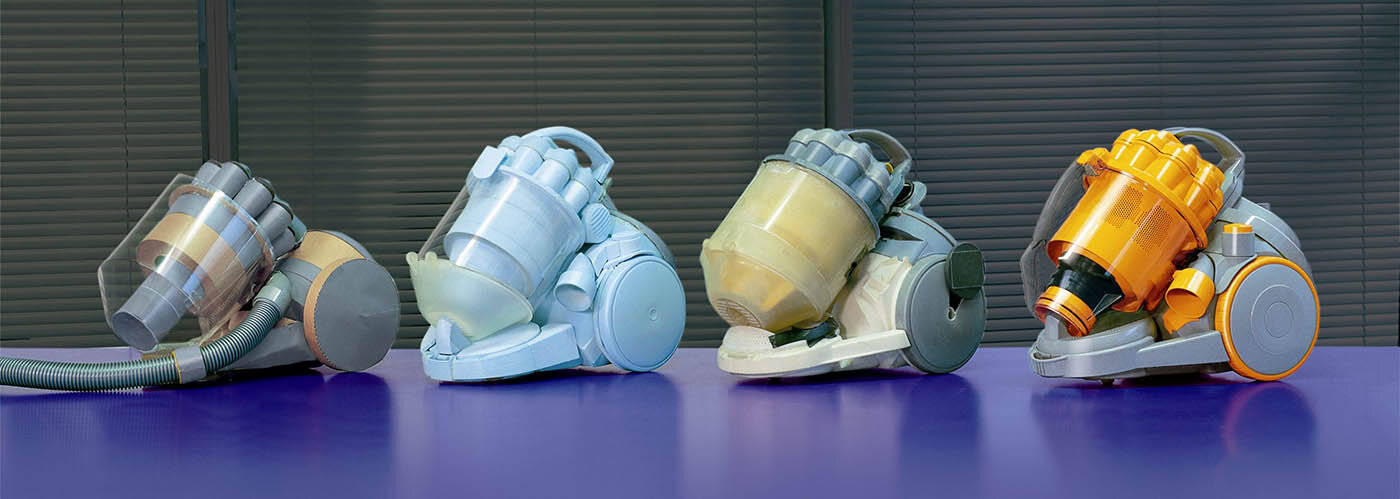
Successful businesses don’t settle for “best.” They continuously iterate. Take product development: if a team believes they’ve built the “best” version of a product, they might stop gathering feedback and refining it. But in reality, the most successful companies don’t chase best—they chase better.
- Marketing teams A/B test campaigns to improve performance.
- Product teams launch MVPs and iterate based on user insights.
- Finance teams adjust forecasts as new data emerges.
- Sales teams refine pitches based on customer responses.
There is no perfect spreadsheet, marketing campaign, or product. There is only the next version—one that’s sharper, clearer, and more impactful than the last.
The Takeaway: Stop Asking “Is This My Best?”
Instead of aiming for an arbitrary “best,” ask:
- How can I make this better?
- What feedback can I use to improve?
- Is there another iteration that could drive more impact?
Because best assumes done. And in business, we’re never done.